Add Row
Add Element
cropper
update
Akron Lifestyle
update
Add Element
  • Home
  • Categories
    • Featured Business
    • Fitness
    • Health and Wellness
    • Home Ideas
    • News and Events
  • Other News
June 16.2025
2 Minutes Read

Discover the 3D-Printed Cochlear Implant Simulation Tool Revolutionizing Surgical Training!

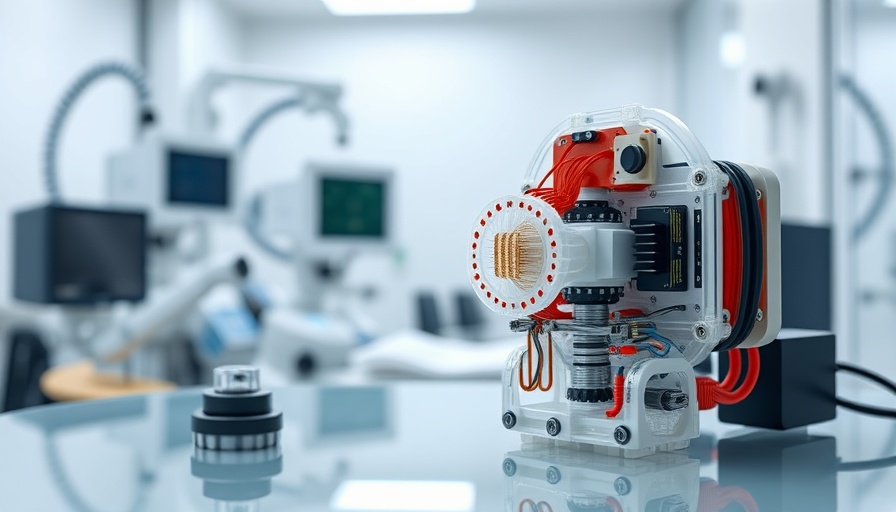
3D-printed cochlear implant simulation tool in a lab setting.

University Innovation Meets Surgical Training

At the University of Akron (UA), a team of talented students is at the forefront of revolutionizing surgical training. They are developing a groundbreaking 3D-printed cochlear implant simulation tool that aims to significantly improve how ear, nose, and throat (ENT) surgeons are trained. This initiative combines engineering expertise with medical education to create a safer environment for both trainees and patients.

Bridging Engineering and Medicine

The origins of this innovative project go back to 2023, when biomedical engineering students started crafting a simulation that offers a realistic and repeatable practice environment. Their goal was to address the inherent challenges and risks involved in cochlear implant procedures, which traditionally depend on surgeons' tactile experience and can lead to complications, such as facial nerve damage, if not performed correctly.

Enhanced Realism through Technology

This cutting-edge simulation model is not just a simple replica. It features an accurate representation of the inner ear, thanks to advanced technologies like ADA resin and real patient CT scans. Embedded cameras and sensors provide immediate visual feedback, helping surgeons to learn and refine their techniques with empirical data. According to Nathan Smith, a student researcher on the project, the model’s transparency allows users to understand the intricate workings of the procedure in real-time.

Impact on Future Surgeons

The team has involved actual surgeons, residents, and fellows in testing the prototype, ensuring that the tool meets professional standards. Sarah Powell, another student involved in the project, has been instrumental in user testing and interface refinement, striving to make the model as intuitive as possible for future training scenarios. The positive feedback from targeted users has been encouraging, confirming the potential of this technology to make surgical training safer and more effective.

A Bright Future for Patient Care

With successful showcases at major conferences, including a national ENT meeting where it was honored as one of the top innovations, this simulation tool is set to transform surgical training. The project reinforces the importance of collaborative efforts between engineering and medical fields, leading to enhanced patient outcomes and greater proficiency among future surgeons.

As this initiative continues to develop, it highlights a significant leap forward in training methodologies, paving the way for improved techniques that will serve the community better. The University of Akron remains committed to fostering such innovative projects that bridge the gap between technology and healthcare.

Health and Wellness

0 Comments

Write A Comment

*
*
Related Posts All Posts
02.21.2026

Innovations in Heart Valve Technology Show Promise for Akron Residents

Update Revolutionizing Heart Health: Akron's Cutting-Edge Research In a groundbreaking leap for medical innovation, the University of Akron is receiving significant backing from the American Heart Association and the National Science Foundation to develop next-generation heart valve implants. Led by Dr. Hossein Ravanbakhsh, an assistant professor in biomedical engineering, the BioEngineering for Translational Applications Laboratory (BETA Lab) is at the forefront of creating fully polymeric heart valves that address the challenges of traditional metal replacements. The Need for Less Invasive Solutions The necessity for advanced heart valve technology stems from the limitations of current methods, which involve invasive surgeries and metal components that can't adapt to growing patients, particularly children. Ravanbakhsh notes that their innovative polymer valves aim to be less invasive and more biocompatible, eliminating the need for multiple surgeries as patients grow. How Do These New Valves Work? Engineered to open at body temperature, these origami-style heart valves utilize shape memory polymers, enabling them to deploy naturally without external assistance. This method not only enhances the ease of implantation but also provides a safer alternative to metal, allowing human cells to integrate naturally with the graft, leading to improved recovery times and outcomes. Implications for the Future of Medicine As Ravanbakhsh states, "This is just the start of the story." The technologies being developed in the BETA Lab will extend beyond heart valves, potentially transforming treatments for various organs. With plans to test these innovations in clinical settings, the implications for improved health outcomes in Akron and beyond are profound. A Community Driven by Innovation Located in a region renowned for its polymer science expertise, the University of Akron is positioned to lead the way in creating innovative medical solutions. As the local community engages with these advancements, there’s a bright horizon for the future of healthcare, showcasing how research can meet pressing health needs right from their hometown. The BETA Lab represents not just academic advancement but a future where Akron could be at the center of significant medical breakthroughs. Collaboration with students and other universities amplifies this mission, engaging the next generation of STEM professionals in meaningful research. As residents of Akron learn more about these developments, staying informed about local advancements in biomedical engineering can inspire pride and hope for the future of health technologies.

02.21.2026

Akron's UA Leads Innovative Heart Valve Research with AHA and NSF Support

Update Innovative Heart Valve Research at UAThe University of Akron (UA) is making headlines in the field of cardiovascular health, particularly in the development of heart valves and other medical implants. With support from the American Heart Association (AHA) and the National Science Foundation (NSF), researchers at UA are pioneering new technologies that have the potential to improve patient outcomes significantly.A Boost for Local Health InnovationsThis significant funding marks a pivotal moment for the Akron community, showcasing how local institutions are at the forefront of essential healthcare advancements. These grants will not only contribute to scientific knowledge but also bolster UA's reputation in biomedical research.Understanding the Impact of FundingThe American Heart Association is recognized as the largest non-profit funder of cardiovascular research in the United States. This year, the AHA has allocated historic levels of funding, with plans to support over 1,000 new grants. Such investments are crucial as they ensure that significant research projects, like those at UA, receive the resources necessary to thrive.Future Prospects in Cardiovascular HealthThe implications of the research funded by these grants are vast. Successful innovation in heart valves could lead to less invasive procedures, shorter recovery times, and improved quality of life for patients with heart conditions. The advancements being made at UA could potentially set new standards in cardiac treatment.Call to Action: Support Innovation in Your Community

02.13.2026

Understanding the $25 Million Verdict Against Conagra's Pam Cooking Spray

Update The Consequences of Convenience: A Landmark Verdict A jury awarded $25 million to Roland Esparza, a 58-year-old man from Los Angeles, after linking his severe lung disease to years of using Conagra Brands’ Pam cooking spray. The February 4 ruling marked a significant moment in legal history, highlighting the potential dangers associated with everyday household products. It found that Conagra failed to adequately warn consumers about the inhalation risks of diacetyl, a chemical linked to 'popcorn lung'—a severe respiratory condition that causes irreversible lung damage. Understanding "Popcorn Lung" and Its Origins Bronchiolitis obliterans, commonly referred to as "popcorn lung," was first identified among popcorn factory workers who inhaled diacetyl fumes. The condition causes permanent damage to the lungs and is notoriously difficult to treat, often requiring a double lung transplant. In Esparza's case, he claimed to have used Pam multiple times a day, beginning in the 1990s, unaware of the serious risks involved. This lawsuit brings attention to the lack of consumer awareness regarding the inhalation hazards posed by food flavoring chemicals, especially in cooking sprays. Conagra's Response and Future Implications Despite the jury's decision, Conagra plans to challenge the verdict. The company maintains that it removed diacetyl from its formulations in 2009. However, the jury's decision suggests that the responsibility lies with the company for its earlier products. This case could set a precedent for future lawsuits regarding food safety, as it highlights the gap in consumer knowledge and product labeling within the food industry. A Call for Greater Transparency in Food Products This ruling emphasizes the urgent need for clearer labeling and safety warnings on food products. Consumers deserve to know the potential health risks associated with everyday cooking items like Pam cooking spray. As concerns about food safety grow, it is crucial for companies to prioritize transparency to protect consumer health. The verdict not only affects Conagra but also raises larger questions about how food manufacturers disclose the safety of their products. As consumers navigate their choices in stores, knowing the risks can make a significant difference in their health and well-being. For those interested in food safety and health matters, this case highlights the importance of scrutinizing product labels and staying informed about the ingredients we consume. Empower yourself with knowledge about what goes into the products you use every day.

Terms of Service

Privacy Policy

Core Modal Title

Sorry, no results found

You Might Find These Articles Interesting

T
Please Check Your Email
We Will Be Following Up Shortly
*
*
*